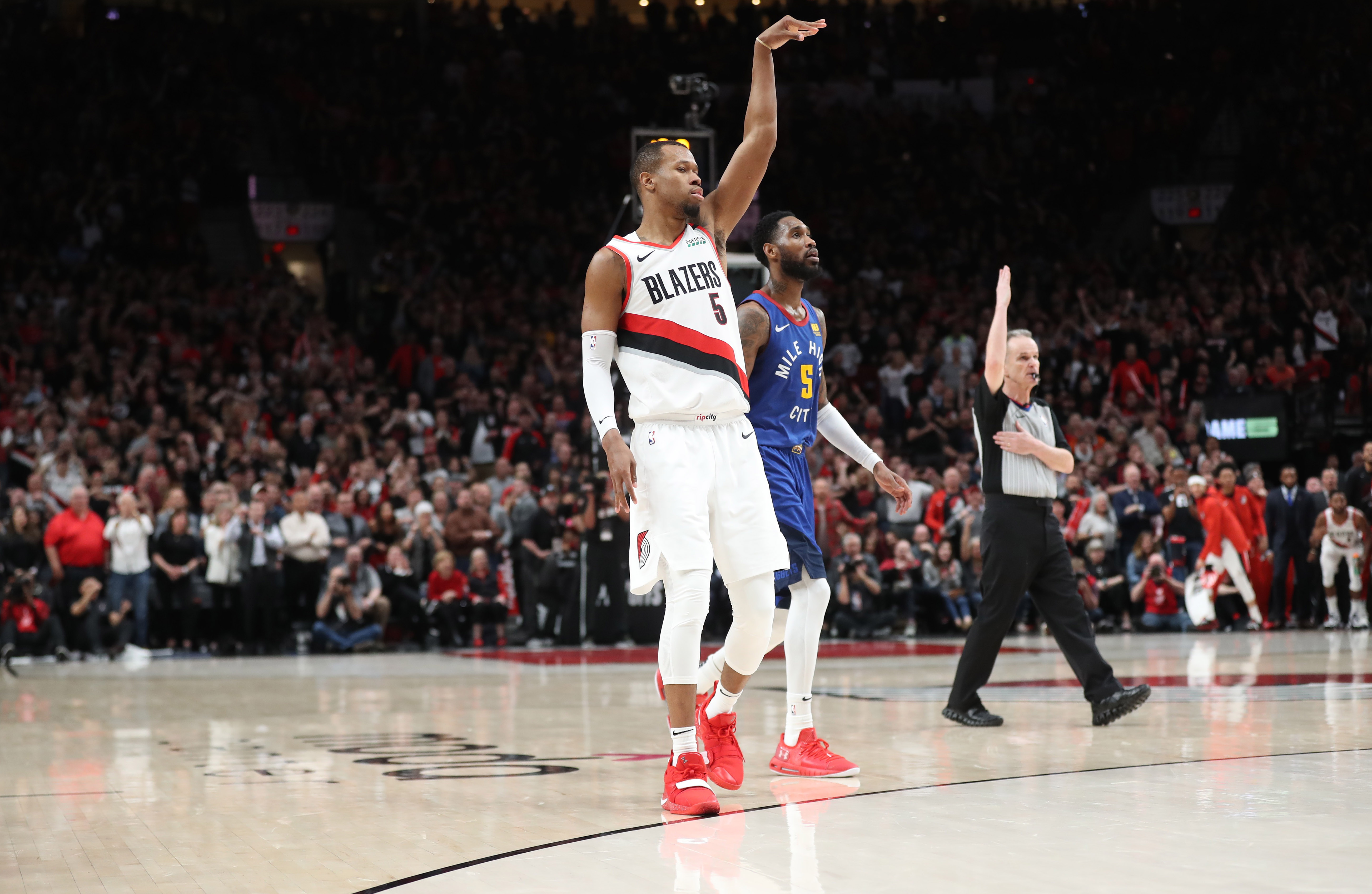
The dynamic clash between the Denver Nuggets and the Portland Trail Blazers is escalating as the NBA playoffs draw closer, turning every game into a high-stakes battle for seeding and momentum. This rivalry is defined by intense competition, particularly in the crucial moments of the game, where both teams strive to assert dominance over their rivals.
Recent discussions surrounding the second half action between the Blazers and Nuggets highlight the sustained intensity of the contest. As the teams enter this phase, the focus shifts from initial possessions to managing fatigue while executing complex offensive and defensive strategies. This transition is vital for determining playoff positioning.
The narrative extends beyond the immediate game results; it encompasses a broader push towards seeding within the Western Conference. The Denver Nuggets have recently made significant strides, moving past the Lakers into the coveted No. 3 seed in the West, positioning themselves as strong contenders for the championship. This success is built upon sustained performance throughout the playoff run.
How Does Second Half Action Influence Playoff Seeding?
Analyzing Momentum Shifts and Game Control
The second half often serves as the true determinant of playoff momentum. When teams successfully control the pace and manage their energy effectively during this period, they gain a psychological advantage that can be difficult for opponents to overcome. For the Blazers and Nuggets, understanding how sustained effort translates into game control is paramount.
Specific highlights from recent matchups, such as the focus on key defensive assignments—for instance, Nikola Jokic seeking out Julian Strawther while Scoot Henderson and Toumani Camara of the Blazers defend during critical quarters—illustrate the level of granular detail required in high-level basketball. These moments showcase how individual performances dictate the overall flow of the game.
- Effective transition management in the second half.
- Sustained defensive intensity across all four quarters.
- Mid-game adjustments based on opponent fatigue.
The outcome of the overtime periods, such as the Nuggets' victory over the Blazers in regulation and overtime, reflects a deep level of competitive engagement. This tenacity is what allows teams to move past previous hurdles and solidify their standing in the conference.
As we look toward future playoff scenarios, the ability to execute under pressure during these extended phases will be crucial. It involves not just statistical advantage but also superior mental fortitude in handling adversity.